Commercial Roofing in Charlotte, NC
Charlotte Roof Master specializes in low-slope commercial roofing systems that protect offices, warehouses, retail centers, and industrial facilities across the region. We provide licensed, insured workmanship with 15–25 year manufacturer warranties. Whether you need a complete tear-off, overlay recovery, or emergency repairs after spring hail, call 704-476-1263 for a free inspection.
Call 7044761263What Commercial Roofing Involves
Commercial roofing differs fundamentally from residential asphalt shingles or architectural shingles used on pitched roofs. Your flat or low-slope roof deck supports HVAC equipment, ventilation systems, and maintenance traffic.
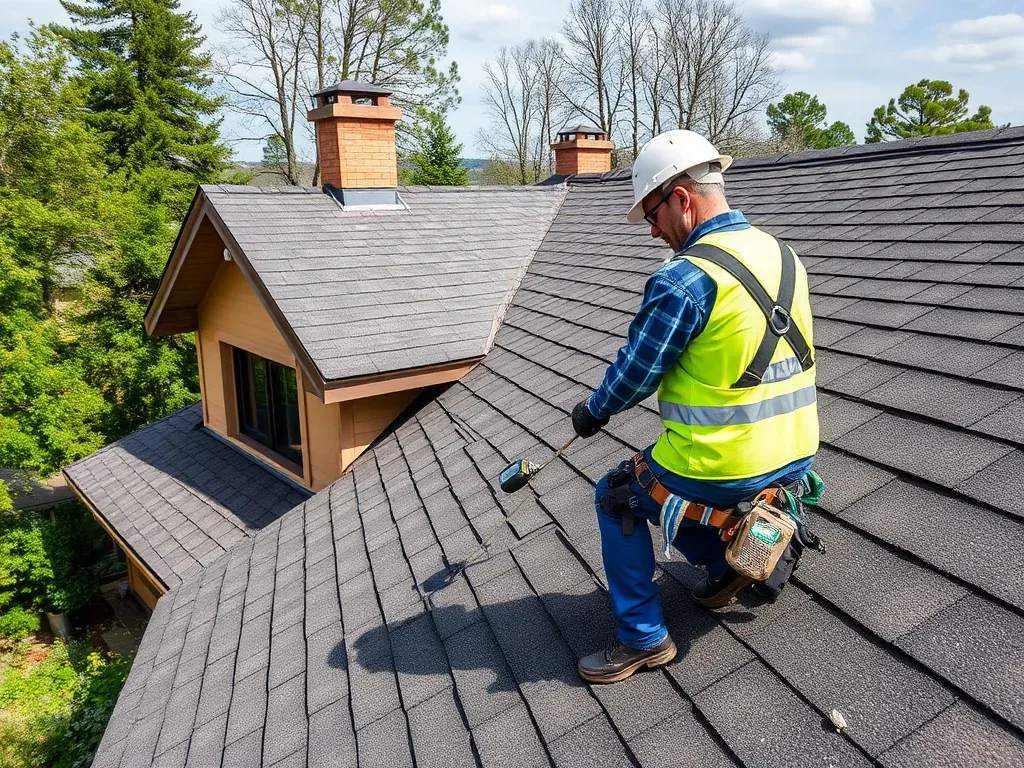
We assess the existing membrane, evaluate insulation and parapet integrity, and inspect the substrate (plywood or OSB decking). We then recommend whether a tear-off, overlay, or recover is best for your building code compliance.
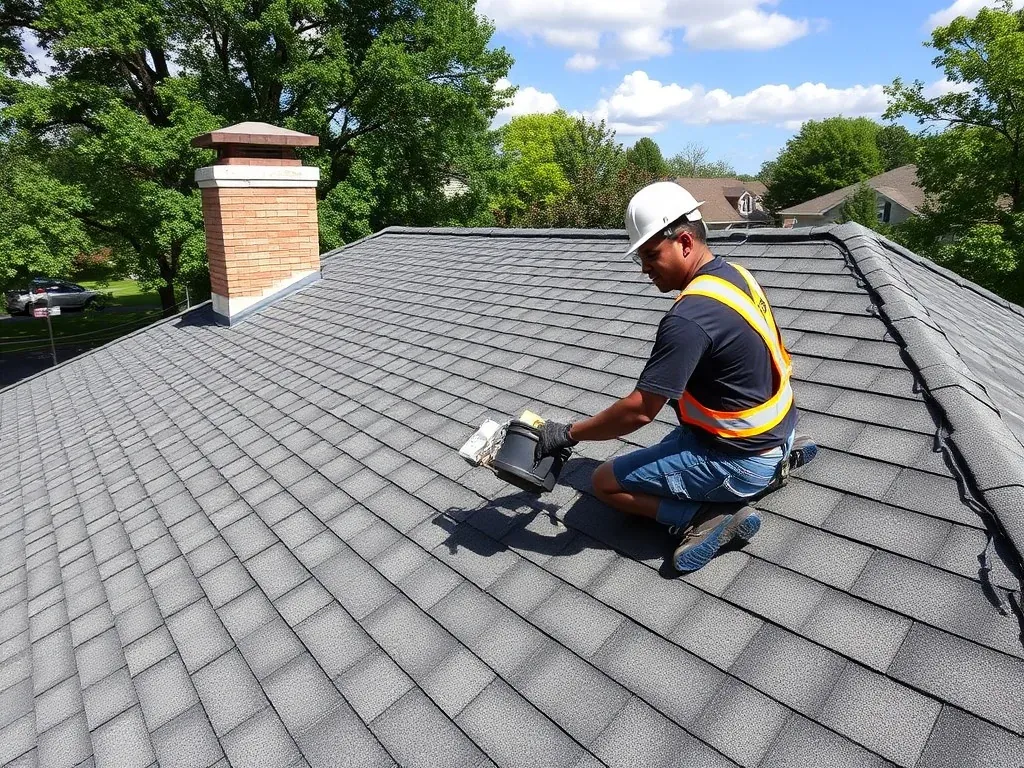
A typical project includes removal of old membrane, felt, and tar layers; replacement of damaged decking; installation of new insulation and synthetic underlayment; placement of single-ply membrane; and sealing all flashing with sealant and mastic.
Material Systems: TPO, EPDM, Modified Bitumen, and Built-Up Roofing
TPO (thermoplastic polyolefin) dominates new commercial construction in Charlotte. The white reflective surface reduces cooling costs during hot, humid summers. Firestone UltraPly TPO and Carlisle SynTec products come with 15–25 year non-prorated warranties.
TPO seams are heat-welded, creating permanent bonds that resist wind uplift during spring severe weather and hurricane gusts. This is our top recommendation for Charlotte's climate.
EPDM (ethylene propylene diene monomer) rubber membranes cost less upfront and excel in high-traffic areas. Johns Manville and Firestone RubberGard 60-mil products are industry standards. EPDM lasts 20–25 years with proper seam tape and adhesive application.
Modified bitumen (mod-bit) systems combine tar, pitch, and asphalt in layered applications. GAF Liberty and CertainTeed Flintlastic products offer excellent cold-weather flexibility—critical during Charlotte's winter ice storms.
Installation involves torch application, hot mop, or self-adhered methods. Overlapping roofing felt and tar paper layers prevent water from wicking along seams. All joints receive mastic and roof cement.
Built-up roofing (BUR) uses alternating layers of tar, asphalt, felt, and gravel. Older buildings in Myers Park and Dilworth often feature BUR, but modern code prefers single-ply systems for easier maintenance and energy code compliance.
Metal roofing with standing-seam panels and corrugated panels provides architectural appeal and durability. Coating systems extend metal roof life 10–15 years by protecting against UV degradation.
Your Roof's Key Components
Your commercial roof is a layered assembly: decking (plywood or OSB), insulation, underlayment, membrane, flashing, ridge cap and ridge vent systems, gutters, downspouts, and parapets with coping. Each component is critical.
Improper parapet flashing and deteriorated coping are the leading causes of leaks in Charlotte. Step flashing, counter-flashing, pipe flashing, boot flashing, and apron flashing at all penetrations and walls must be sealed with sealant and caulk.
Warning Signs Your Commercial Roof Needs Attention
Inspect your roof monthly and after severe weather for these conditions:
- Visible blisters, bubbles, or delamination on the membrane surface indicating moisture or UV degradation.
- Water stains on interior ceiling tiles, HVAC ducts, or insulation signaling active leaks through decking.
- Soft, spongy, or sag in the substrate when walking—a sign of rot or decay in plywood or OSB.
- Standing water 48 hours after rain (ponding) indicating poor drainage and increased leak risk during thunderstorms.
- Split or peeling seams where membrane overlaps—water wicks along gaps during spring severe weather.
- Granule loss or chalking on modified bitumen surfaces revealing UV degradation from intense sun exposure.
- Seams separating at flashing where roof meets parapet walls—thermal expansion and wind stress weak joints.
- Missing or deteriorated pipe boots and vent boots around HVAC penetrations—primary sources of interior water intrusion.
Our Commercial Roofing Process
Step 1: Roof Inspection & Asset Survey
We conduct moisture surveys, assess decking condition, and verify NC Building Code Chapter 15 compliance for wind uplift and ventilation. We examine fastener spacing, flashing integrity, and gutter/downspout condition. A written estimate details system type, warranty terms, and timeline.
Step 2: Permit & Code Compliance
Commercial reroof projects over 1,000 sq ft require city permits. We handle applications, structural load reviews, and verification of wind rating and insulation R-value compliance with current building code.
Step 3: Equipment & Safety Setup
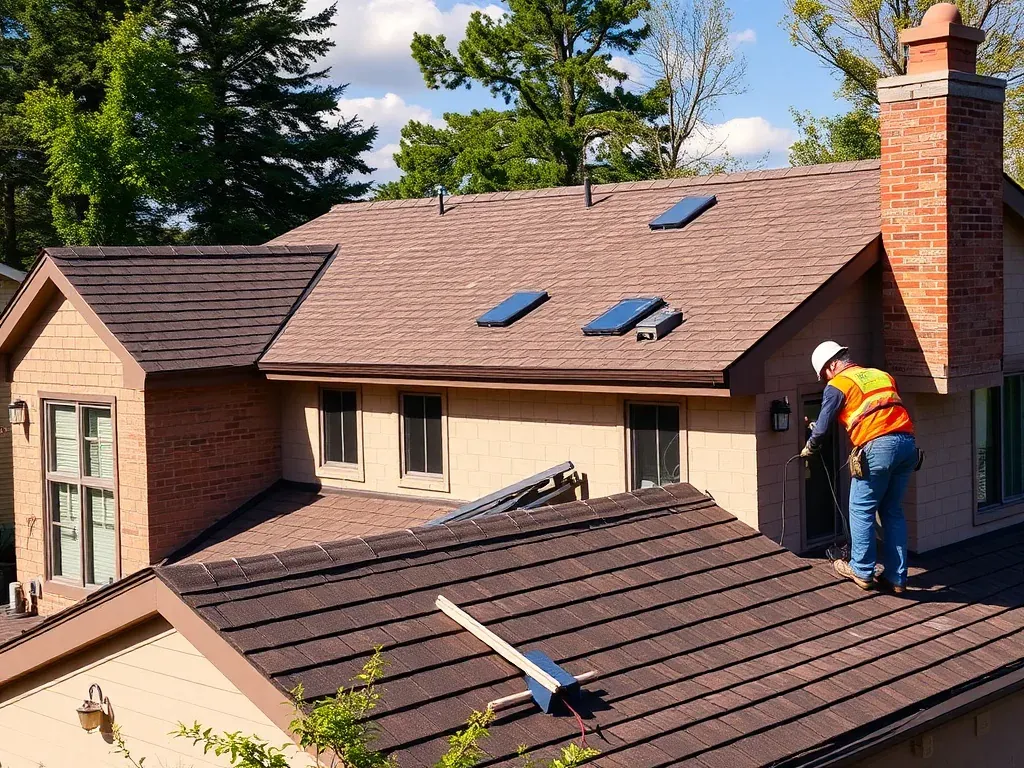
We arrange scaffold, install safety harnesses per OSHA, position dumpsters, and stage air compressor, nail gun, pry bar, roofing shovel, and torch on-site. We coordinate with your tenants to minimize disruption.
Step 4: Tear-Off
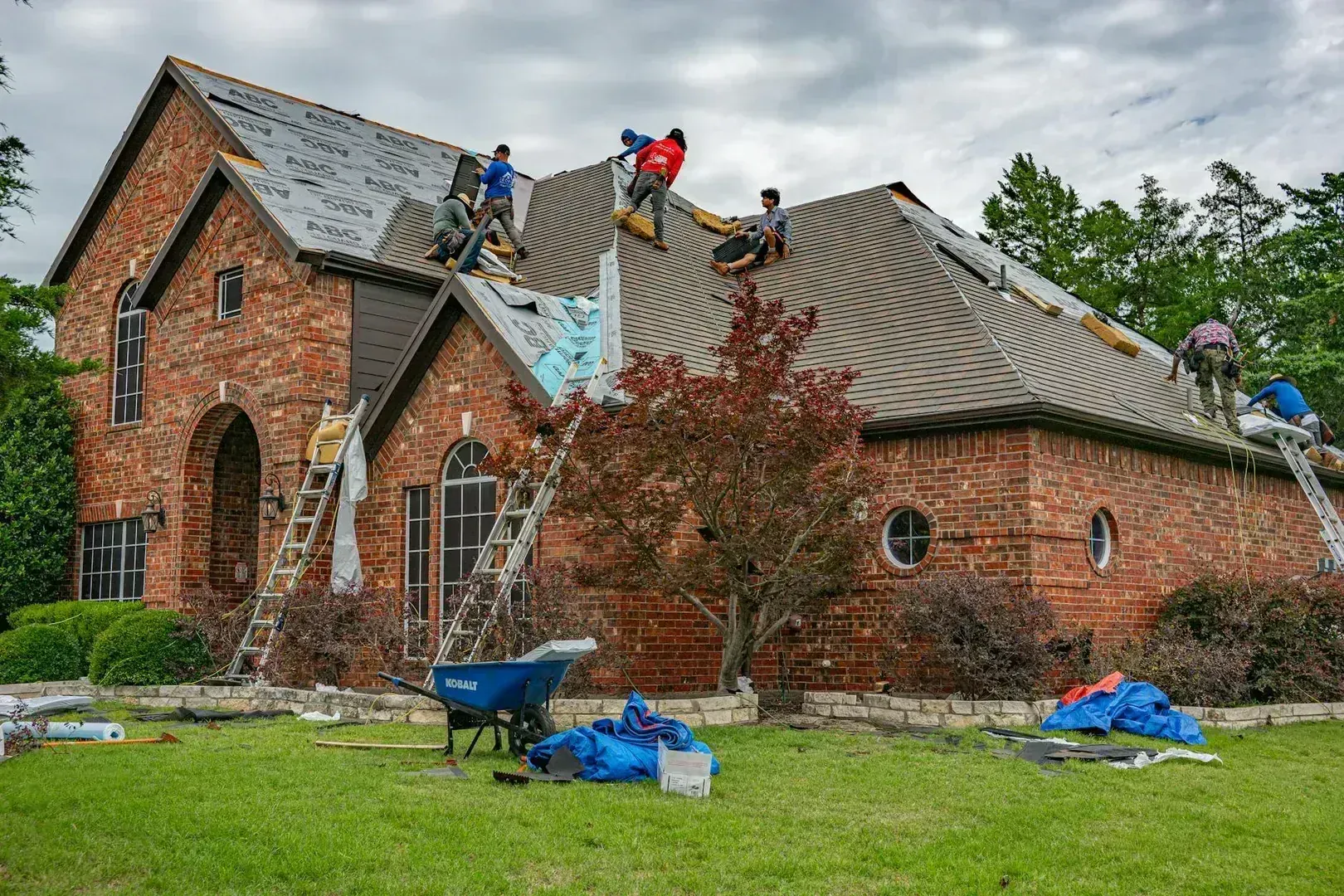
We strip old membrane, felt, tar paper, and fasteners down to the substrate. We inspect plywood and OSB decking, trusses, and rafters for rot or decay. Damaged sections are replaced with ring-shank fasteners on 12-inch centers.
Step 5: Substrate Preparation & Insulation
We install new polyiso or rigid foam insulation to meet current energy codes. New synthetic underlayment and ice-and-water shield protect valley areas and penetrations. All materials use ring-shank nails and staggered fasteners.
Step 6: Membrane Installation
Single-ply membrane is rolled out in field courses and starter courses. Heat welding (TPO), seam tape (EPDM), or torch application (mod-bit) creates permanent seams. Mechanical fastening secures the membrane every 12–16 inches. All perimeter edges receive sealant and mastic.
Step 7: Flashing & Final Sealing
We install step flashing, counter-flashing, pipe flashing, vent boots, and coping at all parapets and penetrations. All seams receive mastic. Gutters and downspouts are verified for proper drainage.
Step 8: Final Inspection & Warranty
We pull municipal inspection, photograph the completed roof, and register the manufacturer warranty. Typical warranties cover 15–30 years non-degradation limited.
Most commercial roofs complete in 2–5 days depending on size, weather, and whether we're performing a tear-off or recovery.
Cost Factors & Warranty Coverage
Commercial roofing costs range $3.50–$8.00 per square foot installed depending on membrane type, decking repairs, insulation upgrade, tear-off vs. recover, permits, and local labor rates.
A 10,000 sq ft roof with new insulation, flashing, and weatherproofing typically costs $40,000–$70,000. Warranties cover material defects and workmanship for 10–25 years if installed per manufacturer specification by certified applicators.
Insurance Claims & Damage Assessment
We assist with insurance claims, coordinate directly with adjusters, document damage with photos and measurements, and submit supplemental claims if additional issues emerge during tear-off. Proof of loss forms and claim deadlines are managed by our team.
Charlotte's Climate Impact on Commercial Roofs
Summer heat (85–92°F) causes thermal expansion of membrane and substrate. Afternoon thunderstorms deliver heavy rain; ponding water seeps through small cracks in the roof deck.
Spring severe weather brings tornadoes, 60+ mph winds, and large hail. Wind uplift peels seams apart if fastener patterns don't meet building code. Hail punctures single-ply membranes, requiring recovery or patching.
Winter ice storms and freeze-thaw cycles cause cracking and moisture entrapment in insulation. Modified bitumen and EPDM handle cold better than TPO, which becomes brittle in extreme cold.
UV degradation occurs year-round. White TPO chalks and fades after 15+ years. Dark EPDM absorbs heat, reducing membrane life. Coating systems extend roof life 10–15 years.
Frequently Asked Questions
Q: Can you overlay my existing roof?
A: Yes, if decking is sound and the membrane is not moisture-saturated. Overlay (recovery) saves $1–2/sf but masks underlying damage. One overlay is typically allowed before tear-off becomes mandatory per building code.
Q: TPO or EPDM?
A: TPO has heat-welded seams (stronger in wind), white color (lower cooling bills), and 20–25 year life. EPDM costs less but requires seam-tape maintenance, dark color absorbs heat, and needs UV coatings. TPO is our top recommendation for Charlotte's wind and hail risk.
Q: Do you handle insurance claims?
A: Yes. We document damage, coordinate with adjusters, explain code upgrades, and submit supplemental claims for additional issues found during tear-off. Insurance rarely covers 100%—your deductible applies—but we maximize recovery.
Q: What about hail damage repair?
A: Small punctures may not leak immediately but weaken the membrane. Multiple impacts reduce warranty coverage. Membrane recovery (full replacement) is often more cost-effective than patching individual holes.
Q: What's the warranty?
A: Single-ply systems come with 15–30 year non-prorated limited warranties if installed per manufacturer spec. Workmanship warranties are 10 years. Coatings extend base warranties 5–10 years. We register all warranties with manufacturers.
What's Included
- Complete roof inspection with moisture detection mapping and building code compliance review.
- Tear-off or recovery of existing membrane, felt, tar, and bitumen layers down to substrate.
- Decking repair (plywood/OSB) and structural evaluation for rot, decay, and load capacity.
- New insulation (polyiso, fiberglass, or rigid foam) installation to meet energy code R-value requirements.
- Single-ply membrane (TPO, EPDM, or PVC) or modified bitumen installation with heat-welded or torch-applied seams.
- Flashing replacement: step flashing, counter-flashing, pipe flashing, vent boots, and parapet coping at all penetrations and wall junctions.
- OSHA-compliant safety harness installation, scaffold setup, and protected equipment staging for crew safety.
- Municipal permit filing, final inspection coordination, and manufacturer warranty registration with coverage documentation.
Our Commercial Roofing Process
- Free Roof Inspection & Asset Survey. We conduct moisture mapping, assess decking integrity, verify NC Building Code Chapter 15 compliance for wind uplift and ventilation, examine fastener spacing and flashing condition, and photograph current state. Written estimate details system type, warranty, timeline, and cost breakdown.
- Permit & Code Compliance Review. For projects over 1,000 sq ft, we file city permits, conduct structural load review (critical when adding insulation), and verify system meets wind rating (UL 580) and insulation R-value standards.
- Equipment & Safety Setup. We arrange scaffold delivery, install OSHA-approved safety harnesses and anchor points, position dumpsters for debris removal, and stage air compressor, nail gun, pry bar, roofing shovel, and torch. We coordinate with tenants to minimize business disruption.
- Existing Material Tear-Off. We strip old membrane, felt, tar paper, and fasteners down to the substrate. We inspect plywood or OSB decking, trusses, rafters, and joists for rot or decay. Damaged sections are replaced using ring-shank fasteners on 12-inch staggered centers.
- Substrate Preparation & New Insulation. We install polyiso or rigid foam insulation to current energy code standards. New synthetic underlayment and ice-and-water shield protect valley areas and around penetrations. All materials are secured with fasteners on 16-inch staggered centers to prevent water wicking.
- Membrane Installation & Final Sealing. Single-ply membrane (TPO, EPDM, or modified bitumen) is rolled out in field courses and starter courses. Heat welding (TPO), seam tape (EPDM), or torch application (mod-bit) creates permanent seams. Mechanical fastening secures membrane every 12–16 inches. All perimeter edges, flashing, pipe boots, and vent boots receive sealant and mastic. Municipal inspection is pulled and final warranty is registered.
Timeline: Most commercial roofs complete in 2–5 days depending on square footage, weather, and scope (tear-off vs. recover).
Signs You Need Commercial Roofing
Warning Signs Your Commercial Roof Needs Repair
- Visible blisters, bubbles, or delamination on the membrane surface indicating moisture entrapment or UV degradation.
- Water stains on interior ceiling tiles, suspended insulation, or HVAC ducts signaling active leaks through the roof deck.
- Soft, spongy, or sag in the substrate when walking the roofline—a sign of rot or decay in plywood or OSB decking.
- Standing water visible 48 hours after rain (ponding) indicating poor drainage and increased leak risk during Charlotte's heavy thunderstorms.
- Split, curled, or peeling seams where membrane sheets overlap—water wicks along seam gaps during spring severe weather.
- Granule loss or chalk residue on modified bitumen surfaces revealing accelerated UV degradation from intense sun exposure.
- Seams separating at flashing where the roof meets parapet walls—thermal expansion and wind uplift stress weak joints.
- Missing or deteriorated pipe boots and vent boots around HVAC penetrations and exhaust stacks—primary sources of interior water intrusion.
Don't just take our word for it — hear from our satisfied customers.
"We had water stains in our South End office building after a spring hailstorm. Charlotte Roof Master's inspector identified ten impact punctures on our TPO membrane that our insurance covered under the full replacement clause. The team completed the tearoff and new membrane installation in three days—on schedule and under budget. Our building stayed operational the entire time."
— Marcus P., South End
"Our Myers Park medical facility roof was 23 years old—well past its warranty period. We were getting ceiling leaks during heavy rain, and we knew the system was failing. Charlotte Roof Master diagnosed a failed perimeter seal and recommended a full recovery with EPDM single-ply membrane. The new system came with a 20-year non-prorated warranty. No more leaks, and our energy bills dropped after they added new insulation."
— Jennifer T., Myers Park
"Our Dilworth warehouse needed what we thought would be a $60k rebuild after we discovered rot in the decking. But the crew found and documented everything during tear-off. They worked with our insurance adjuster, got supplemental claim approval for the additional damage, and the final cost to us was just the deductible. The new modified bitumen roof handles our freeze-thaw cycles perfectly in winter."
— Robert K., Dilworth
Ready to get started? Call us today at 7044761263 for a free estimate.
Free estimates · Licensed & Insured · 25-year warranty
Call 7044761263