Gutter Installation in Charlotte, NC
Charlotte Roof Master installs seamless gutters that protect your home's foundation and landscaping from water damage. We've found that most Charlotte homeowners underestimate how quickly gutter neglect leads to foundation erosion and costly water intrusion into attics. Call us at 704-476-1263 for a free estimate on your gutter system today.
Call 7044761263What Gutter Installation Involves
When we install gutters, we create a complete drainage system that channels rainwater away from your foundation and landscaping. The gutter runs along your roofline's eave and rake edges, catching water that sheds from the roof.
Downspouts carry that water down and away—at least 5 feet from the foundation per North Carolina building code requirements. Installation includes securing the gutter to your fascia board with hangers and fasteners. We apply sealant at joints where gutter sections connect to prevent leaks.
Flashing where the gutter meets the roofline, including step flashing near chimneys and pipe boots around roof penetrations, stops water from seeping behind gutters into your soffit or siding.
Gutter Materials & Options
We offer seamless K-style gutters in 5" and 6" sizes, matched to your roof area and rainfall patterns. Seamless aluminum gutters eliminate overlapped seams that trap debris. For homes with large roof decks or steep slopes, seamless steel in G-90 galvanized grade provides extra durability against hail and wind.
Copper gutters in 16-ounce thickness are the premium option, offering decades of life with distinctive appearance. Leaf protection systems like LeafFilter and Gutter Helmet prevent pine needles and leaves from clogging the channel.
Gutter Materials We Install
- Seamless aluminum K-style in 0.027-inch thickness, 5" or 6" profiles, affordable and reliable for most Charlotte homes
- Seamless steel gutters in G-90 galvanized grade, heavier gauge that resists denting from hail and impact
- Copper gutters in 16-ounce or 20-ounce sheet, premium durability with natural patina over time
- Downspout extensions in aluminum, steel, or copper, sized to match gutter capacity and ground discharge requirements
- Fascia boards in aluminum or vinyl-wrapped wood, protecting the roof deck and rafter ends from water damage
- Drip edge installation where roof meets gutter, directing water into the channel not behind it
- Leaf guards and screening systems that reduce debris accumulation by 70–80% in wooded neighborhoods
- Sealant and roofing cement for all joints, counter-flashing at chimneys, and pipe boot sealing around vents
Warning Signs You Need Gutter Installation or Replacement
Water overflowing during heavy rain signals undersized gutters or severe clogging. Peeling paint and dark stains on fascia point to water seeping behind the gutter channel. Gutters pulling away from the house mean fasteners have corroded and gutter weight is sagging.
Puddles or erosion near your foundation indicate downspouts aren't discharging far enough. Rust perforations in metal gutters come from acidic rainwater and Charlotte's humid subtropical summers. Sagging gutters, often from ice dam weight in winter storms, stop proper water flow.
Why Gutters Fail
- Clogged from pine needles and leaf debris, blocking water flow and causing pooling and overflow
- Seam separation from thermal expansion when metal expands in summer heat and contracts in winter cold
- Sagging from ice dam weight during winter freezes that create ice blockages, pulling gutters down
- Rust perforation from acidic rainwater and humidity, especially on older steel gutters and south-facing slopes
- Fastener corrosion when nails and screws rust, losing grip and allowing gutter sag
- Flashing failure at chimneys and vents where step flashing and counter-flashing separate, damaging roof deck sheathing
- Improper slope where gutters aren't angled properly toward downspouts, trapping water and debris
- Gaps and sealant failure at downspout connections, allowing water to escape into fascia and soffit
The Gutter Installation Process
Step 1: Roof Inspection and Measurement
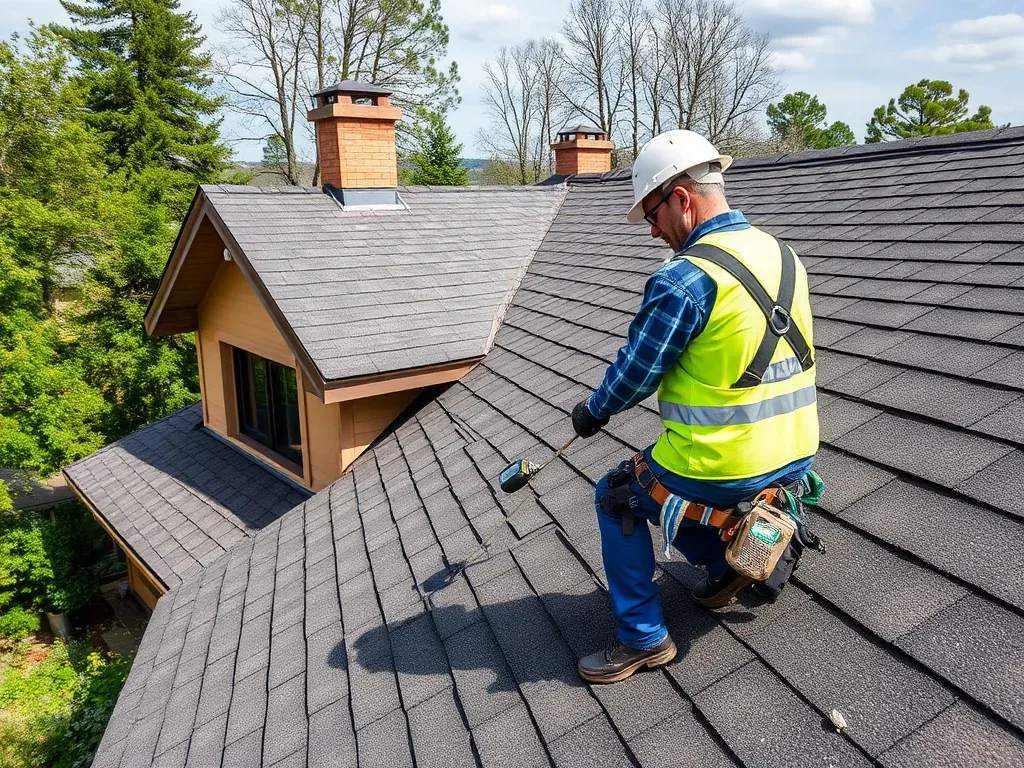
We start with a roof inspection to assess your current gutter condition, roof deck overhang, and damage to fascia, soffit, or roofline components. We measure eave and rake lines and account for obstacles like chimneys, skylights, and dormers. We calculate downspout size and placement based on NC building code requirements for 5-foot ground clearance.
Step 2: Material Selection & Permitting
We help you choose gutter material, profile, and leaf-guard options. For structural fascia or soffit replacement, we obtain a permit from Charlotte or county building departments. Gutter sizing must match your roof area per IRC standards.
Step 3: Removal & Cleanup
We remove old gutters, hangers, and downspouts, placing all debris in a dumpster. We inspect the roof deck, sheathing, and fascia for rot or decay underneath. Damaged wood is noted for repair before new gutters are installed.
Step 4: Fascia & Soffit Repair
If fascia or soffit boards show rot or decay, we remove and replace them with new material. We install drip edge where the roof meets the fascia to direct water into the gutter, not behind it. Proper substrate and waterproofing prevent future water intrusion into the decking or attic.
Step 5: Seamless Gutter Installation
Using our on-site seamless gutter machine, we fabricate gutters to exact length, eliminating weak seams. We install gutters with 1/4-inch-per-10-foot slope toward downspouts. We secure gutters to fascia with hangers and fasteners every 24 inches, using ring-shank nails or screws that resist pulling out.
We apply roofing cement and sealant at all joints and where the gutter meets step flashing and counter-flashing. Valley sections and transitions receive extra sealing to prevent the seeping that leads to rot.
Step 6: Downspout Installation & Grading
We install downspouts every 40–50 feet along the roofline, secured with straps to fascia and wall. Downspout elbows and extensions direct water at least 5 feet from the foundation per the NC Residential Code. We verify final grade slopes away from the house to prevent puddles and foundation damage.
Cost Factors & Timeline
Seamless gutter installation costs $500–$2,500 depending on roof perimeter, material choice, and labor complexity. Leaf guards add $300–$800. Fascia or soffit replacement adds $500–$2,000. Most jobs complete in 1–2 days.
Costs vary based on roof pitch, home elevation, and accessibility. Steep roofs require scaffold or ladder work, increasing labor. Homes with extensive soffit rot or fascia damage take longer.
Charlotte's Climate & Your Gutters
Charlotte summers are hot and humid, with frequent afternoon thunderstorms that dump 1–2 inches of rain in minutes. Spring severe weather brings hail and damaging wind that can dent gutters and shingles. Winter ice storms create ice dams where water backs up under asphalt shingles and into your attic, requiring special ice-and-water shield underlayment and proper ventilation.
Our roofing contractors size gutters to handle Charlotte's peak rainfall and account for pine needle load in wooded neighborhoods. We recommend leaf guards for homes near trees. We inspect gutters after spring storms for hail damage and verify proper drainage.
Maintenance & Warranty
After installation, gutters require twice-yearly cleaning—spring and fall—to remove debris. We recommend spring inspection before severe weather season. Post-storm checks catch damage early before it spreads to fascia, soffit, or roof deck.
We offer 10-year workmanship warranties on all gutter installations. Material warranties vary: aluminum 15 years, steel 20 years, copper lifetime. We stand behind every fastener, joint, sealant, and piece of flashing we install. If ice dams or overflow cause damage within one year, we'll assess and remedy the issue at no charge.
Frequently Asked Questions
How often should gutters be cleaned? Gutters need cleaning twice yearly—spring and fall—to remove leaves, pine needles, and debris. Homes in wooded areas may need three cleanings yearly. Leaf guards reduce cleaning frequency by 70–80%.
What's the difference between K-style and half-round gutters? K-style gutters are modern, more attractive, and hold more water volume than half-round. Half-round copper gutters are vintage-style and rarely installed on new homes in Charlotte.
Do gutters need to slope? Yes. Gutters must slope 1/4 inch per 10 feet of run toward downspouts so water flows freely. Without slope, water pools, debris accumulates, and gutters sag under weight.
Can I use gutter guards instead of cleaning? Leaf guards like LeafFilter and Gutter Helmet reduce debris significantly but don't eliminate cleaning entirely. Guards still require annual inspection and occasional cleaning of accumulated dust and small debris.
What's Included
- Complete roof inspection to assess current gutter condition, fascia, soffit, and roof deck damage
- Precise measurement of eave and rake lines, accounting for chimneys, skylights, and dormers
- Removal and disposal of old gutters, downspouts, and damaged fascia or soffit boards
- Seamless gutter fabrication on-site, custom-fit to your exact roof perimeter in your choice of material
- Installation of fascia boards, drip edge, step flashing, and counter-flashing at all roof penetrations
- Downspout sizing and placement per NC building code, with ground extensions discharging 5+ feet from foundation
- All sealant, roofing cement, fasteners, and flashing applied per industry standards
- Leaf guard or screening system installation if selected, reducing maintenance by 70–80%
- 10-year workmanship warranty; material warranty based on gutter type (15–lifetime years)
Our Gutter Installation Process
- Roof Inspection & Measurement: We assess your roofline, eave overhang, and any existing damage to fascia, soffit, or roof deck. We measure the total linear feet of gutter needed and account for obstacles. We calculate downspout size and placement per building code.
- Material Selection & Permitting: You choose gutter type, size, and leaf-guard options. For structural fascia or soffit replacement, we pull a permit from the Charlotte building department. Gutter capacity is sized to your roof area per IRC standards.
- Old Gutter Removal & Cleanup: We remove old gutters, hangers, and downspouts and place all debris in a dumpster. We inspect the roof deck and sheathing for rot or decay. Damaged wood is flagged for repair or replacement before new gutters go in.
- Fascia & Soffit Repair: If fascia or soffit boards are rotten, we remove and replace them with new material. We install drip edge where the roof meets the fascia. All substrate is waterproofed to prevent future water intrusion into the decking or attic.
- Seamless Gutter Installation: Using our on-site seamless gutter machine, we fabricate gutters to exact length with zero seams. We install gutters with proper 1/4-inch-per-10-foot slope toward downspouts. Gutters are secured to fascia every 24 inches with ring-shank fasteners. All joints receive sealant and roofing cement for a weathertight seal.
- Downspout Installation & Grading: We install downspouts at proper spacing with elbows directing water at least 5 feet from the foundation. We verify the final grade slopes away from the house. A post-installation walkthrough confirms all drainage is working properly.
Signs You Need Gutter Installation
Signs You Need Gutter Installation or Replacement
- Water overflowing during heavy rain, a sign that gutters are too small or severely clogged with pine needles and debris
- Peeling paint or dark stains on fascia boards, indicating water is seeping behind the gutter channel into the wood
- Gutters pulling away from the house, caused by corroded fasteners and the weight of ice or accumulated debris
- Puddles or erosion near your foundation, showing that downspouts are too short or not discharging far enough away
- Rust perforations or holes in metal gutters, from acidic rainwater and Charlotte's humid summers corroding steel
- Sagging gutters that no longer slope properly toward downspouts, especially after winter ice storms and ice dam damage
- Gaps, cracks, or sealant failure at gutter joints and downspout connections, allowing water to escape into fascia and soffit
- Water stains in the attic, soffit, or on interior walls near roofline, indicating water is entering the roof structure rather than flowing through gutters
Don't just take our word for it — hear from our satisfied customers.
"We had gutters that were pulling away and staining our South End home's siding. Charlotte Roof Master's crew replaced them with seamless gutters and new fascia in one afternoon. The workmanship is obvious—every joint is sealed tight and the pitch is perfect. No more overflow. Highly recommend." — James M., South End
"After a spring hail storm, our gutters were dented and our soffit was damaged. We called Charlotte Roof Master and they came out quickly for a roof inspection. They explained exactly what was wrong, gave us a fair estimate, and completed the repair in two days. Our foundation is protected now, and we feel confident about future storms." — Sarah T., Myers Park
"Living in NoDa with massive oak trees overhead, gutters clog constantly. We installed LeafFilter guards through Charlotte Roof Master and haven't cleaned gutters in two years. The crew was professional, on time, and cleaned up perfectly. Worth every penny." — David K., North Davidson
Ready to get started? Call us today at 7044761263 for a free estimate.
Free estimates · Licensed & Insured · 25-year warranty
Call 7044761263