Roof Replacement in Charlotte, NC
Charlotte Roof Master replaces aging or damaged roofs by tearing off old materials, inspecting the roof deck, and installing new systems built to last 25–30 years. We've completed over 500 residential replacements across Myers Park, South End, NoDa, Dilworth, and Ballantyne, stopping water intrusion before it damages your home's interior. Call 704-476-1263 for a free inspection and estimate.
Call 7044761263What Roof Replacement Involves
A complete roof replacement removes the old roofing system and installs a new one. We strip away shingles, underlayment, and flashing to expose the roof deck. We inspect the plywood or OSB substrate for rot, decay, sag, and structural issues that undermine the roof.
We then install new underlayment (synthetic or felt-based), ice-and-water shield at critical areas, ridge vents for ventilation, and new asphalt or architectural shingles. Flashing—including step flashing at sidewalls, chimney flashing, and pipe boots at penetrations—is replaced to redirect water away from vulnerable areas. Drip edge is installed along the rake and eave to shed water cleanly.
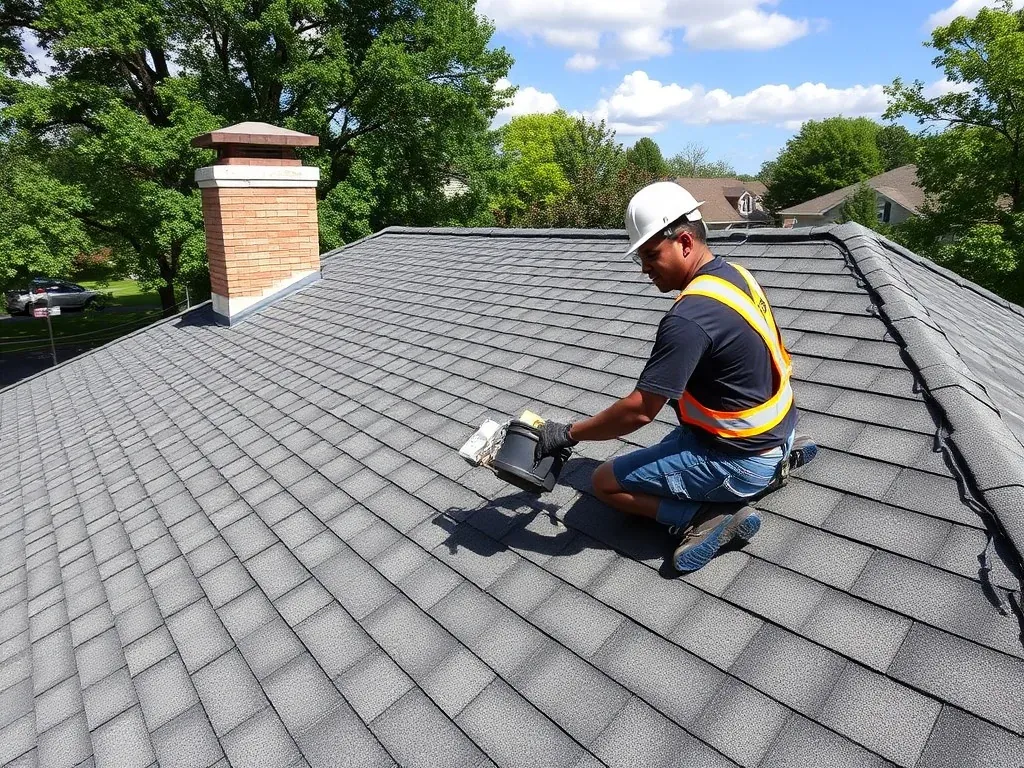
The ridgeline receives a ridge cap. Gutters and downspouts manage runoff. Caulk, sealant, and roofing cement are used at joints. The completed roof deck is fastened with ring-shank nails via air compressor and inspected for full compliance.
Why Charlotte Homes Need Roof Replacement
Charlotte's climate accelerates roof wear. Hot, humid summers bring frequent afternoon thunderstorms and hail that cause granule loss, cracking, and curling. Spring severe weather brings tornadoes and damaging hail that bruises and punctures shingles. Winter ice storms and snow-load cycles stress the roofline and cause ice dams at the eave.
Water backs under shingles into attic framing, seeping through decking and wicking along rafters and joists. This progression of heat, moisture, and freeze-thaw cycles degrades shingles faster than drier regions. After 15–20 years, most Charlotte roofs show end-of-life wear and require replacement.
Roof Deck & Structural Components
The roof deck (substrate) is built from OSB or plywood and supported by trusses, rafters, and joists that form the ridge beam at the peak. Hip and gable roof forms distribute weight differently. Gable roofs have two sloped sides meeting at a ridge; hip roofs slope on all four sides. During tear-off, we inspect framing for rot, settlement, and sag.
If decking is compromised, we remove and replace it. Structural changes require engineered drawings and building code approval. A licensed roofing contractor must handle all installation and sign off on work.
Materials: Shingles & Underlayment
Architectural shingles offer better wind resistance and longer life than three-tab shingles. We install brands like GAF Timberline, Owens Corning Duration, and CertainTeed Landmark—each rated for impact resistance and UV protection in severe weather.
Synthetic underlayment resists heat and moisture degradation better than tar paper or roofing felt. Ice-and-water shield prevents water from wicking under shingles at valleys and eaves—critical in Charlotte's freeze-thaw season. Ridge vents allow continuous attic ventilation, crucial in our humid climate.
We use OSB or plywood sheathing, both approved by building code. Drip edge directs water away from fascia and soffit. Step flashing, counter-flashing, and chimney flashing seal roof-wall intersections. Verge flashing protects edges where the roof meets the rake.
Flashing, Penetrations & Details
Flashing is where most leaks originate. Step flashing overlaps shingles and directs water down the slope. Counter-flashing seals the flashing above. Chimney flashing uses lead or modified bitumen. Pipe boots and vent boots seal vent penetrations.
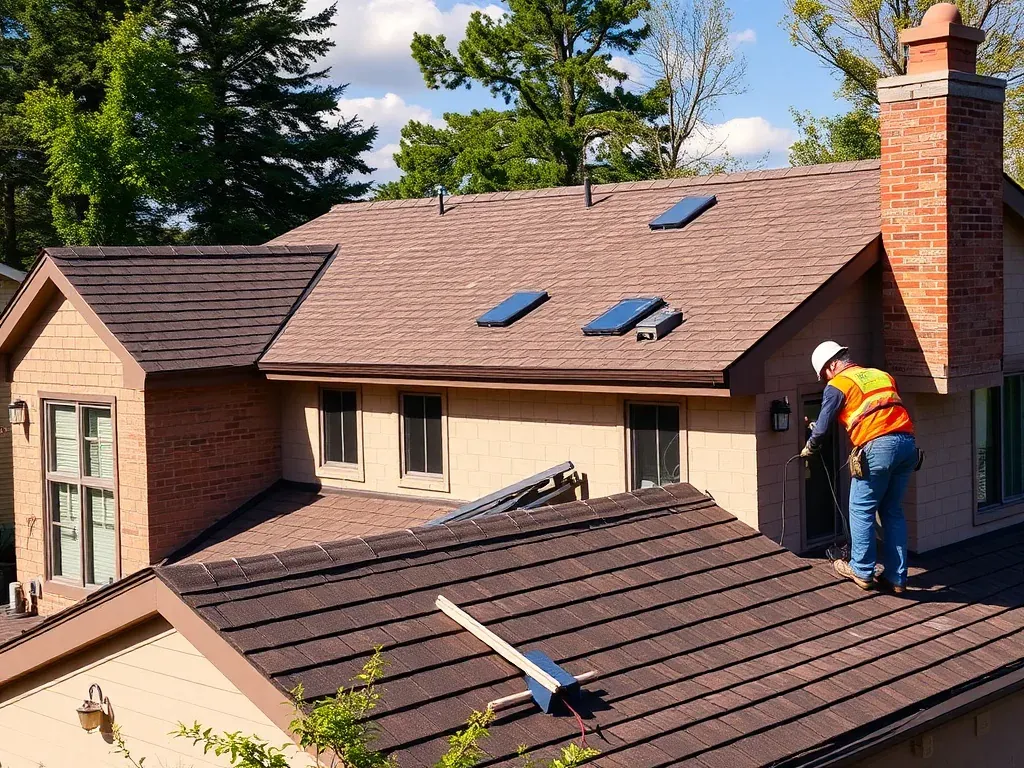
Skylights, dormers, parapets, and canopies require specialized flashing details. Apron flashing protects roof-to-wall transitions. Scuppers and coping drain flat roof areas. Mastic and caulk seal final joints. Snow guards anchor to the roof deck at the eave to prevent snow slides. Vapor barrier underlayment prevents moisture infiltration from below. Weatherproofing coatings protect exposed fasteners and seams.
Without proper flashing and sealant, water seeps into the attic, wicks along rafters and joists, and causes rot and decay—a cascade of damage that extends beyond the roofline.
Roof Forms & Architectural Variety
Most Charlotte homes have gable or hip rooflines. Some older properties have mansard roofs (with a break in the slope) or gambrel roofs. Modern homes may have canopies or awnings that extend the roofline, creating additional flashing demands. Understanding your roof's geometry is essential for accurate estimation and proper installation.
Alternative Roofing Materials
While asphalt shingles dominate residential Charlotte roofing, alternatives exist. Wood shakes and cedar shakes offer classic aesthetics but require specialized maintenance. Slate and clay tile are premium, long-lasting options suited to historic estates. Concrete tile mimics slate at lower cost. Metal roofing (standing-seam panels or corrugated panels) offers durability and energy efficiency for industrial and some residential applications.
Commercial properties may use built-up roofing (layers of tar, felt, and gravel or bitumen) or membrane systems like TPO, EPDM, or PVC. These require different installation techniques. Charlotte Roof Master specializes in residential asphalt shingles but can advise on alternatives.
Installation Process & Tools
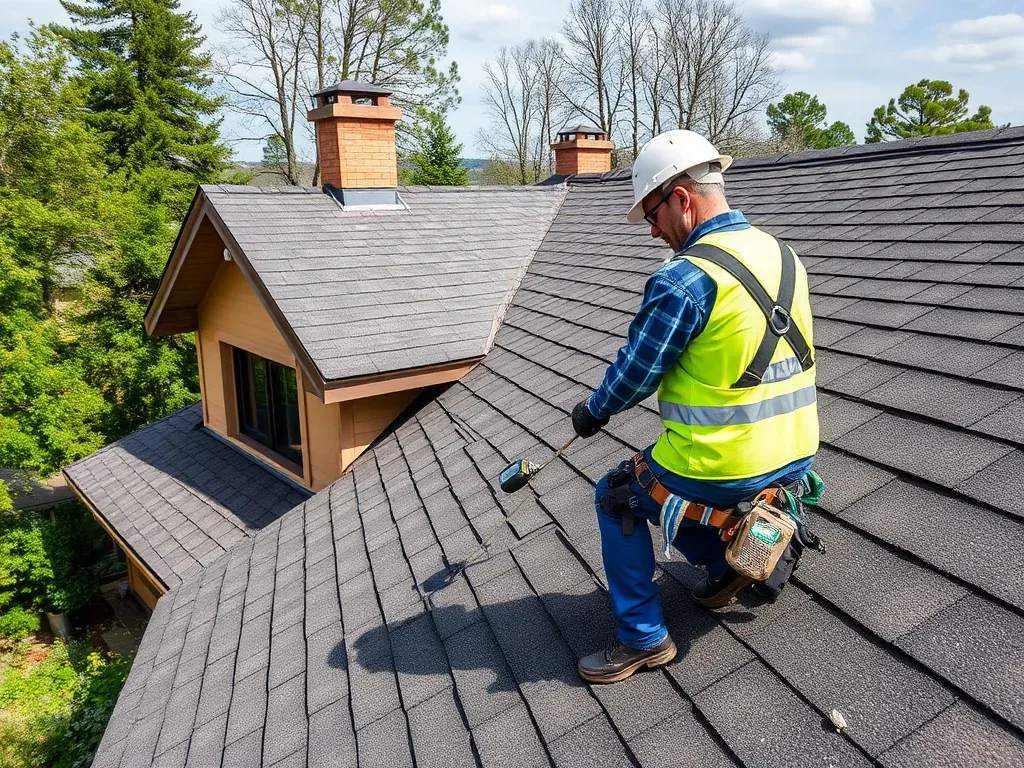
Replacement requires specialized tools: air compressor for nail guns, pry bars to remove old materials, roofing shovels for debris, and roofing squares to measure pitch and layout. On steep roofs, a scaffold and ladder provide safe access. A safety harness is required on slopes exceeding 4:12 pitch. Our crews are trained in proper fall protection.
We remove old materials into a dumpster placed on-site. Tear-off takes 1–2 days. Substrate inspection adds another 1–2 days. New installation takes 2–3 days, depending on roof size and complexity.
The Roof Replacement Process
- Roof inspection documents damage, measures square footage, identifies complexity (hips, gables, dormers, skylights, chimneys, parapets, canopies, awnings), and calculates material and labor needs.
- Estimate and permit review covers labor, materials, building permit, structural repairs if needed, timeline, and warranty terms.
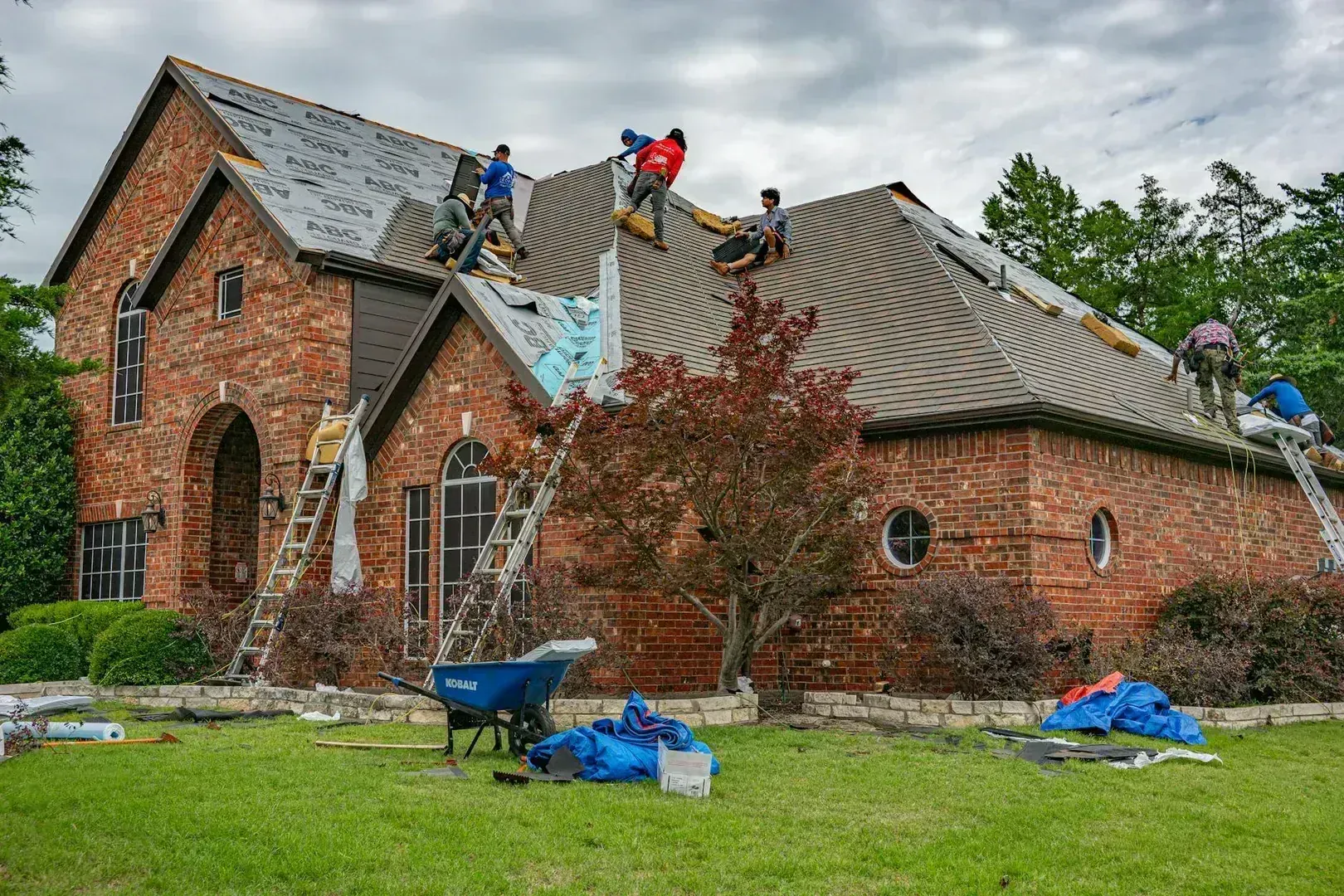
- Tear-off removes shingles, underlayment, flashing, and nails using pry bars and roofing shovels. A dumpster handles debris. We protect landscaping and property access.
- Substrate inspection exposes the roof deck. We inspect plywood or OSB for rot, decay, sag, water stains, and structural issues. Structural work is completed before new roofing starts.
- Underlayment and flashing installation begins with synthetic underlayment or tar paper. Ice-and-water shield is installed at valleys and the eave. Drip edge is nailed along rake and eave. Step flashing, counter-flashing, chimney flashing, pipe boots, vent boots, verge flashing, and apron flashing are set.
- Shingle installation begins with a starter course (upside-down shingles along the eave). Field courses follow in staggered rows, each fastened with ring-shank nails via air compressor. Roofing cement and caulk seal corners and penetrations. Ridge cap shingles crown the ridge beam.
- Final details include installing snow guards if requested and applying weatherproofing coatings. Gutters and downspouts are inspected. A building inspector verifies code compliance.
- Final inspection and cleanup removes tools, sweeps gutters, and confirms all work meets specification and building codes.
Cost Factors
Roof replacement cost depends on house size, roof pitch, material choice, roof form (gable, hip, mansard, gambrel), and structural condition. A typical Charlotte home ranges from $8,000 to $15,000. Steep pitches, complex hips and gables, skylights, dormers, parapets, and multiple chimneys add labor time. Structural repairs increase cost.
We provide a line-item estimate breaking down labor, materials, permits, and cleanup. Insurance claims can cover storm damage—we assist with proof of loss forms, adjuster inspection, supplemental claims, and claim deadline management.
Materials Included
Architectural shingles with 25–30 year manufacturer warranty; Synthetic underlayment or tar paper and roofing felt base; Ice-and-water shield at valleys, eaves, and penetrations; Ridge vent with soffit vent for continuous attic ventilation; Drip edge, step flashing, counter-flashing, chimney flashing, pipe boots, vent boots, verge flashing, apron flashing; Roofing nails (ring-shank), fasteners, sealant, caulk, and roofing cement; Mastic and weatherproofing coatings for exposed seams; Ridge cap shingles; Snow guards (if requested); Vapor barrier underlayment (if applicable); Building permit and engineering (if needed); Debris removal and dumpster rental; Manufacturer warranty registration.
Warning Signs You Need Replacement
Missing or curled shingles crack and peel, exposing underlayment. Water stains on ceilings signal active leaks seeping from the roofline. Granules filling gutters indicate accelerated wear. Daylight visible through roof boards means decking failure. Sagging or settling roof suggests structural decline in trusses or joists.
Widespread cracking, blistering, or alligatoring means end-of-life. Moss or algae growth traps moisture, accelerating decay and rot. After storms, hail bruising and impact damage may require full replacement. Ice dam backup under shingles during Charlotte winters signals failed ice-and-water shield or inadequate attic ventilation.
Local Climate Considerations
Charlotte's freeze-thaw cycles demand ice dam prevention. During winter, snow or ice on the roof can melt, refreeze at the eave, and back water up under shingles into the attic. Ice-and-water shield stops this intrusion and protects the roof deck and rafters from moisture damage.
Spring hail and tornadoes strike hard, bruising and penetrating shingles. Impact-resistant shingle ratings help defend against large hail. Summer UV and afternoon thunderstorm runoff accelerate granule loss and shingle degradation. High humidity requires enhanced attic ventilation—ridge vents and soffit vents work together with attic fans to exhaust moisture and prevent mold and decay inside attic framing.
An overhang extending beyond the exterior walls provides some weather protection. Canopies and awnings over entryways require their own flashing and weatherproofing. Building code specifies minimum ventilation ratios and proper attic airflow. Roof anchors provide secure tie-off points for safety harnesses during installation and maintenance.
Warranty & Insurance
Architectural shingles carry a 25–30 year manufacturer warranty against material defects. Our workmanship warranty covers improper installation. Building code compliance is verified by municipal inspection before final approval.
Insurance covers storm damage. We assist by documenting damage with photos and inspection reports, working with insurance adjusters during on-site inspection, submitting supplemental claims for additional damage discovered, and explaining the proof of loss form and claim deadline. We facilitate reserve releases and keep you informed throughout the claim process.
Why Charlotte Homeowners Choose Us
We're licensed and insured. We inspect every roof personally before quoting. We handle building permits and code compliance. We work with insurance companies and help maximize your claim. We install quality materials from trusted manufacturers. Our crew is trained in Charlotte's climate challenges—ice dams, hail impact, humidity-driven rot, and freeze-thaw cycles.
We've replaced roofs in Myers Park colonials, South End apartments, NoDa craftsmans, Dilworth bungalows, and Ballantyne estates. We know the age and typical failure modes of each neighborhood. We understand the roofline details required for older homes and modern constructions alike. We deliver peace of mind—a strong roof overhead and transparent communication from inspection to final cleanup.
What's Included
- Complete tear-off of old shingles, flashing, and underlayment
- Full roof deck inspection for rot, decay, and structural integrity
- Installation of synthetic underlayment and ice-and-water shield
- New architectural shingles with manufacturer warranty
- All flashing replacement: step flashing, chimney flashing, pipe boots, ridge cap
- Ridge vents and soffit ventilation for attic airflow
- Building permit and code compliance inspection
- Debris removal and dumpster rental
Our Roof Replacement Process
- Roof Inspection & Estimate — We inspect your roof deck, sheathing, flashing, and ventilation. We measure square footage and note structural concerns. You receive a detailed estimate including labor, materials, permits, and timeline (typically 3–5 days).
- Permit & Building Code Review — We obtain the necessary building permit from Charlotte and ensure all work meets current building codes. This includes structural calculations if decking replacement is needed.
- Tear-Off & Substrate Inspection — Our crew removes old shingles, underlayment, and flashing using pry bars and roofing shovels. Debris is placed in a dumpster for removal. We inspect the plywood or OSB substrate for rot, water damage, and structural sag.
- Installation of Underlayment, Flashing & Ventilation — We install synthetic underlayment, ice-and-water shield at valleys and eaves, and new drip edge. Step flashing is installed where the roof meets sidewalls; chimney flashing and pipe boots seal penetrations. Ridge vents are installed for attic ventilation.
- Shingle Installation — We install the starter course along the eave, then field courses with staggered shingles. Ring-shank nails are driven using an air compressor. Each shingle is sealed with roofing cement at corners. Ridge cap shingles finish the peak.
- Final Inspection & Cleanup — Our roofer inspects every course and flashing detail. We remove debris, sweep gutters, and perform a final walkthrough. A building inspector verifies code compliance.
Signs You Need Roof Replacement
Signs You Need a Roof Replacement in Charlotte
- Missing or curled shingles that crack and peel in heat
- Water stains or discoloration on ceilings and interior walls
- Granules collecting in gutters and downspouts
- Daylight visible through roof boards in the attic
- Sagging or settling areas indicating structural failure
- Widespread cracking, blistering, or alligatoring of the shingle surface
- Moss or algae growth retaining moisture and causing decay
- Ice dam backup under shingles during Charlotte winter weather
Don't just take our word for it — hear from our satisfied customers.
"We live in Myers Park and had a 20-year-old roof leaking during spring storms. Charlotte Roof Master replaced it in 4 days with minimal disruption. The crew was professional, cleaned up everything, and our new roof has been flawless through two seasons of hail. Highly recommend." — Sarah M., Myers Park
"Hurricane winds damaged our Dilworth home's roof, and we called three contractors. Charlotte Roof Master provided the most detailed estimate and worked directly with our insurance. They identified additional rotten decking and compromised flashing we would have missed. The replacement was done right the first time." — James R., Dilworth
"We bought a Ballantyne house with a failing roof and needed it replaced before closing. Charlotte Roof Master moved fast, kept the price fair, and handled everything including the permit. The new architectural shingles look sharp and match the neighborhood's quality standard." — Lisa T., Ballantyne
Ready to get started? Call us today at 7044761263 for a free estimate.
Free estimates · Licensed & Insured · 25-year warranty
Call 7044761263