Asphalt Shingle Roofing Installation & Replacement in Charlotte, NC
Charlotte Roof Master stops roof leaks and water damage by replacing worn asphalt shingles, deteriorated underlayment, and faulty flashing with durable new materials. We perform a detailed roof inspection, assess your deck condition, and install architectural shingles with proper nailing patterns and ice-and-water shield protection. Licensed and insured—call 704-476-1263 for your free estimate.
Call 7044761263What Is Shingle Roofing?
Shingle roofing replaces old, damaged asphalt shingles with new laminated or architectural shingles that shed water and resist wind, hail, and UV degradation.
The process includes a complete tear-off, roof deck inspection, installation of underlayment and ice-and-water shield, and careful nailing per North Carolina building code.
This service protects your home's structure, attic, and interior from water infiltration caused by missing shingles, granule loss, or flashing failures.
A proper installation lasts 15–25 years depending on material grade and climate exposure.
Shingle Materials & Styles
Asphalt Shingle Types
We install three main categories of asphalt shingles:
- Three-tab shingles — flat, economical, laminated asphalt with granulated surface and basic wind resistance. Lifespan: 15–20 years. Best for low-wind areas and budget-conscious homeowners.
- Architectural shingles — dimensional, laminated shingles with varied tab heights and enhanced wind ratings (up to 130 mph). Hide granule loss as they age. Lifespan: 20–25 years.
- Designer/luxury shingles — premium laminated shingles with thick granulation and algae-resistant coatings. Often match wood shake, cedar shake, or slate appearance. Lifespan: 25+ years with proper maintenance.
Real Manufacturer Options
We work with proven brands that offer long warranties and excellent granule adhesion:
- GAF Timberline HDZ — impact-resistant architectural shingles with layered granulation, rated for hail-prone areas. Class 4 impact rating available.
- Owens Corning Duration Cool Series — architectural shingles with algae-resistant additives and reflective technology to reduce heat gain in our summer sun.
- CertainTeed Landmark Pro — premium laminated architectural shingles with enhanced wind and impact ratings for storm-prone regions.
Supporting Materials & Components
A proper shingle installation includes more than shingles. Here's what gets installed:
- Underlayment — synthetic or roofing felt layer under shingles that catches water and directs it to gutters; prevents rot when deck wicks moisture from humidity.
- Ice-and-water shield — self-adhered membrane installed along eaves, valleys, and around penetrations; critical in Charlotte's freeze-thaw cycles and ice dam risk zones.
- Drip edge — metal trim at roof perimeter and rake that channels water away from fascia and gutter, preventing soffit rot and foundation damage.
- Ridge cap — specialized shingles that cover the ridge or peak where two roof planes meet, sealed with roofing cement for weather protection.
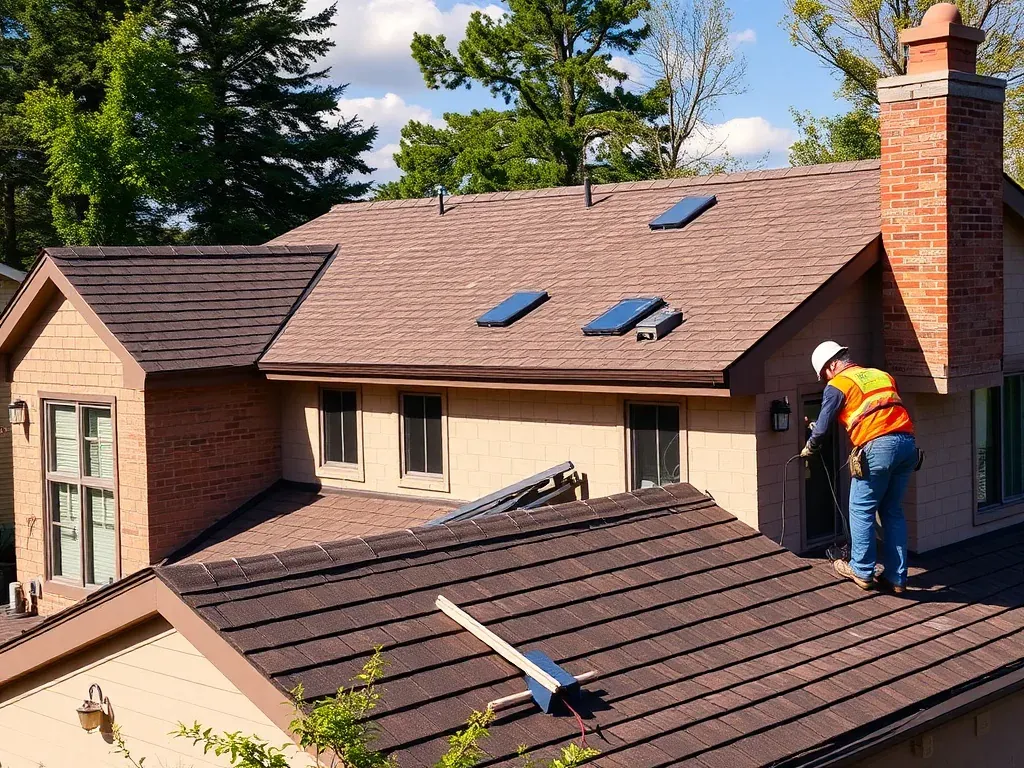
- Step flashing — metal trim where roof meets a chimney, skylight dormer, or sidewall; prevents water from wicking into wall cavities and attic.
- Counter-flashing — metal trim that overlaps step flashing and chimney mortar to shed water outward and downward, adding redundant waterproofing.
- Valley flashing — metal or asphalt-saturated felt in roof valleys where two planes intersect; handles high water volume and debris flow during storms.
- Pipe boot / vent boot — rubber or neoprene sealed boot around plumbing vents, exhaust pipes, and roof penetrations, preventing leaks at vulnerable points.
- Sealant & roof cement — asphalt-based mastic applied at flashing edges, nail heads, and seams to prevent water infiltration and wind-blown rain entry.
- Fasteners — ring-shank nails driven in a specific pattern (typically 6 per shingle) per building code to resist wind uplift and prevent nail pops over time.
Warning Signs You Need Shingle Replacement
Look for these indicators that your roofing and deck are failing:
- Missing or loose shingles — wind or hail has blown off tabs or lifted corners, exposing substrate and underlayment to rain infiltration.
- Granule loss in gutters — accumulation of asphalt granules indicates adhesive failure, UV breakdown, and age-related end-of-life wear.
- Dark stains or algae growth — black streaks from algae or moss, common in high-humidity Charlotte summers, trap moisture and accelerate decay.
- Curling or cupping shingles — edges curl upward or center dips, usually from thermal cycling (hot days, cool nights) and age-related shrinkage.
- Visible daylight through roof boards — gaps or holes indicating deck rot, broken rafters, or severe damage requiring structural repair before re-shingling.
- Water stains on attic floor or ceiling — interior sign of active leaks; requires immediate assessment of flashing, valleys, and ice-and-water shield integrity.
- Sagging or uneven roofline — indicates rot in decking or failure of trusses and rafters; requires engineering review and substrate replacement.
- Ice dams at eaves — water backs up under shingles during freeze-thaw, especially at north-facing eaves; sign of inadequate ice-and-water shield or ventilation failure.
Our Shingle Replacement Process
Step 1: Roof Inspection & Estimate
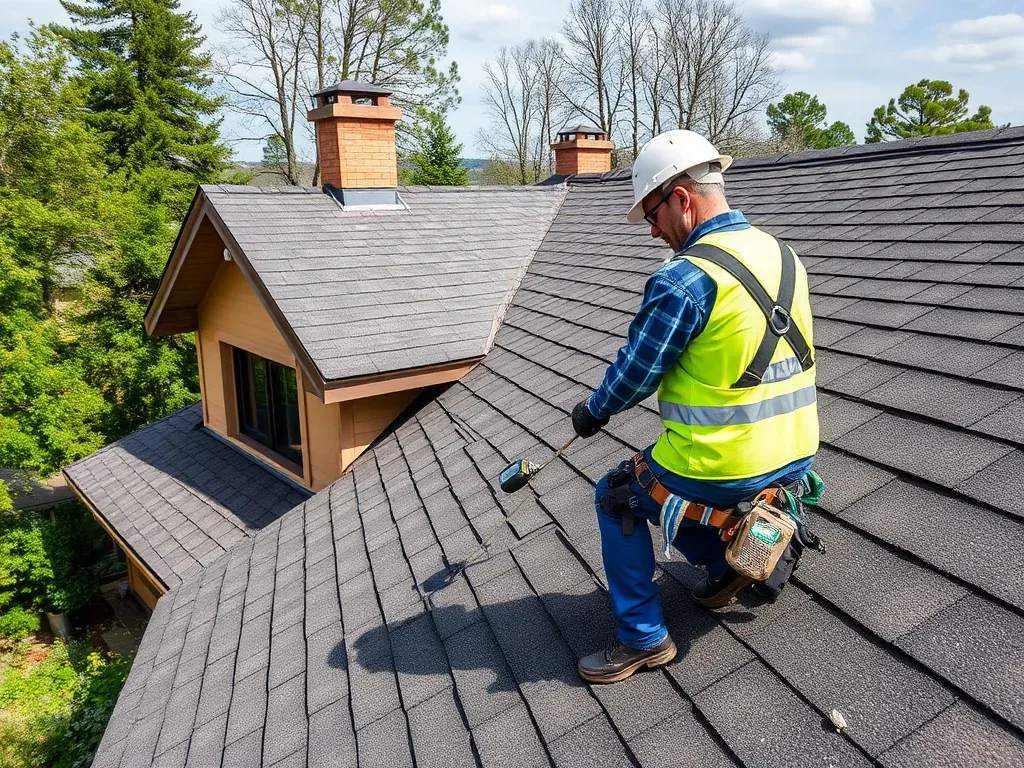
We climb onto your roof with safety harness and ladder to assess shingle condition, deck integrity, flashing condition, valleys, and ventilation.
We photograph damage, measure square footage, and check for rot, mold, or structural issues. Estimates account for decking repairs, material grade, and labor hours.
Step 2: Permit & Code Review
NC building code requires a permit if more than 25% of decking is replaced. We pull permits, discuss structural repairs if needed, and confirm nailing patterns meet wind-resistance standards.
Step 3: Tear-Off & Deck Inspection
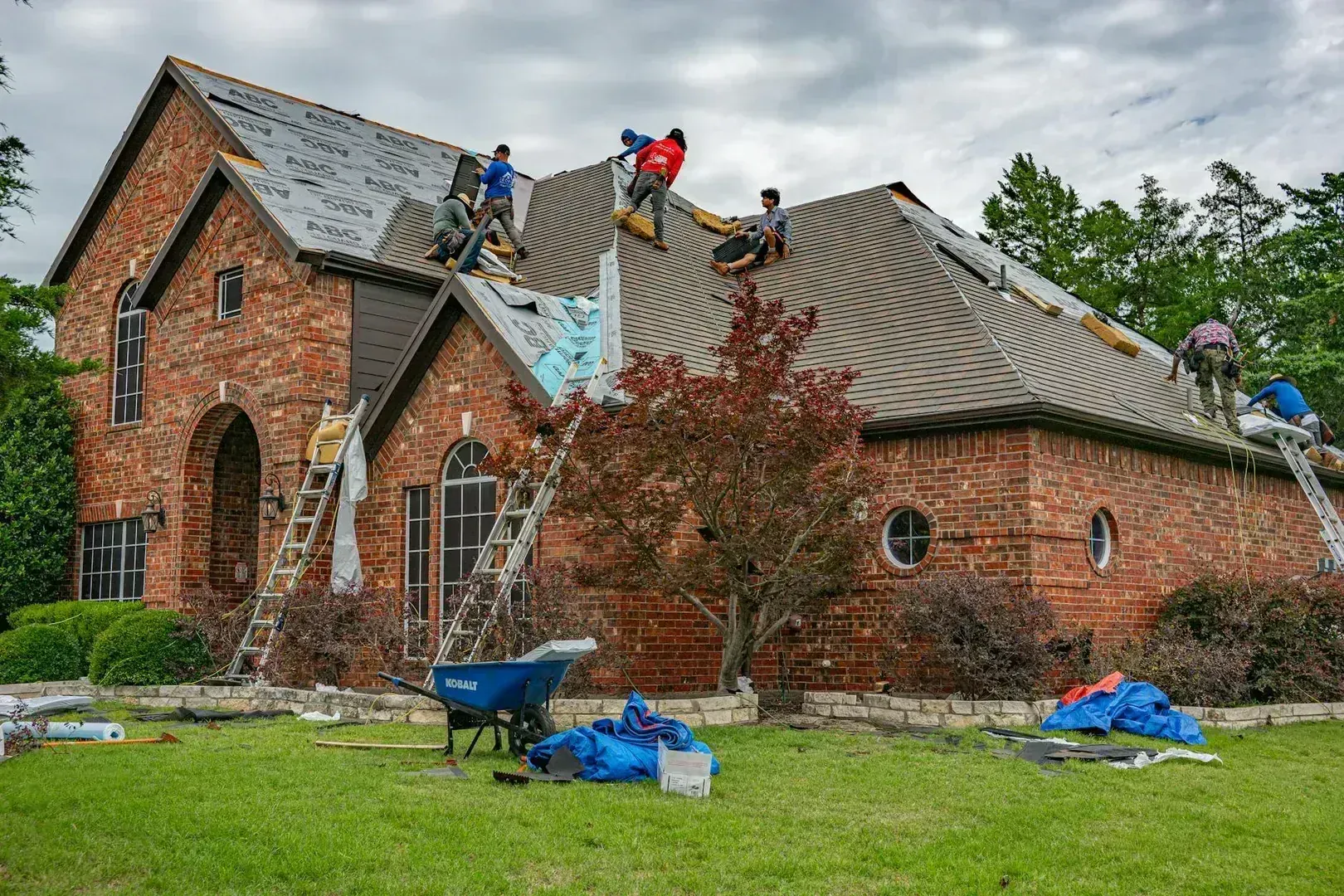
We remove old shingles, nails, and underlayment from the entire roof using pry bars and roofing shovels. All debris goes into a dumpster for disposal.
We inspect the plywood or OSB substrate for rot, split boards, soft spots, or water damage. Any compromised decking is replaced with new sheathing fastened securely to rafters.
Step 4: Underlayment & Flashing Installation
We install synthetic underlayment or felt across the entire roof deck. We lay ice-and-water shield along eaves, in valleys, around chimneys and skylights, and under vent boots.
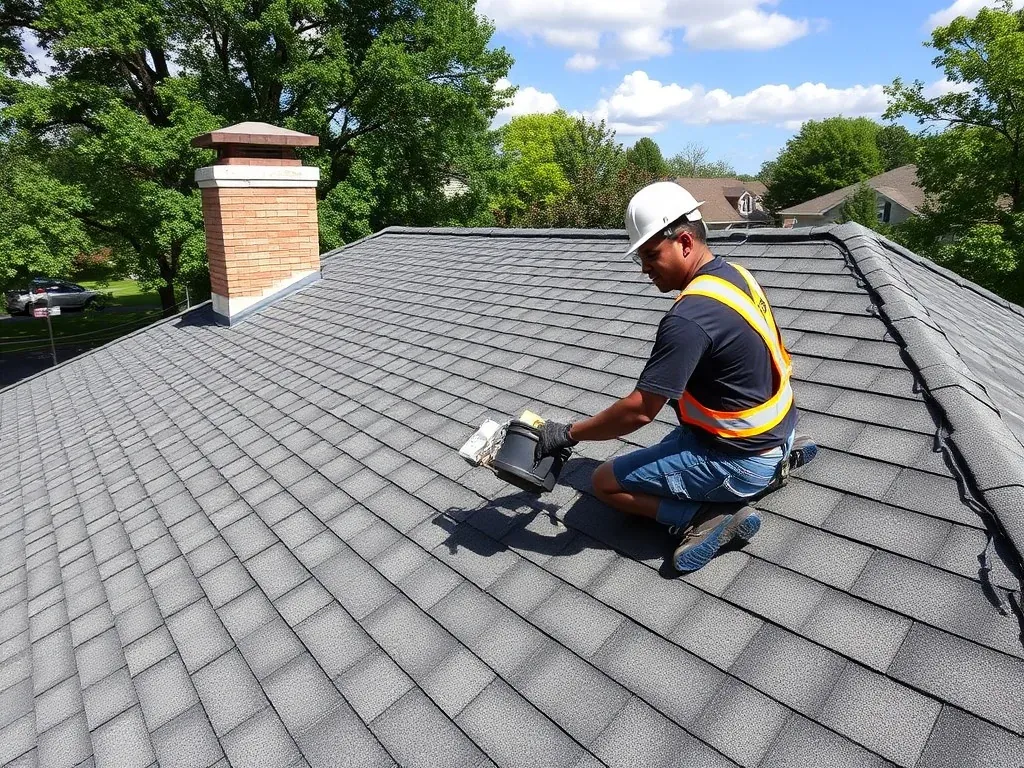
We install or repair step flashing, counter-flashing, drip edge, ridge vent trim, and pipe boots. Sealant and roof cement are applied to all flashing edges and penetrations.
Step 5: Shingle Installation
Starting at the eave with a starter course (inverted first row), we lay shingles in overlapping courses up to the ridge. Each shingle receives 6 fasteners per NC building code for proper wind resistance.
Shingles are staggered to hide seams and improve water shedding. We hand-seal exposed nails in high-wind areas to prevent wind-driven rain entry.
Step 6: Ridge Cap & Final Inspection
We install ridge caps over the peak, sealing with roofing cement. We verify valley flashing, step flashing, and all penetration boots are fully sealed and properly integrated with the shingle courses.
Cleanup includes magnetic sweeping for missed fasteners, dumpster removal, and final walkthrough. Work is inspected by code official and transferred to your ownership.
Cost & Timeline
Shingle replacement costs depend on roof size, material grade, decking repairs, and local labor. For a typical 2,000 sq. ft. Charlotte home:
- Budget shingles (3-tab) with straightforward tear-off and no decking repairs: $8,000–$12,000 installed.
- Mid-range architectural shingles (GAF Timberline, Owens Corning Duration) with minor decking replacement: $12,000–$18,000 installed.
- Premium architectural shingles (CertainTeed Landmark Pro) with extensive decking and structural repairs: $18,000–$28,000+ installed.
Costs include labor, materials, building permit, dumpster rental, and cleanup. Timeline is typically 3–5 business days from tear-off through final inspection, depending on weather and substrate condition.
Local Climate Challenges
Charlotte's hot, humid summers and freeze-thaw winters create unique roof stresses requiring specialized installation and material selection:
- Thermal cycling — daytime heat (95°F+) and cool nights cause asphalt shingles to expand and contract, accelerating granule loss and fiber brittleness over time.
- High humidity & algae — moisture and algae spores promote dark stains and moss growth; we recommend algae-resistant shingles like Owens Corning Duration or CertainTeed with built-in copper inhibitors.
- Ice dams — winter ice storms freeze water at eaves; inadequate ice-and-water shield allows water to wick into attic and walls, causing rot and mold. We install 6–12 feet of shield on north-facing eaves.
- Hail risk — spring and summer storms bring dime-to-golf-ball hail; architectural shingles and Class 4 impact ratings reduce granule damage. Document hail damage with photos for insurance claims.
- Wind uplift — spring storms and hurricane-force winds produce 40+ mph gusts; proper 6-nail fastening patterns and flashing prevent shingle blow-off and structural damage.
- UV degradation — intense summer sun breaks down asphalt binders; designer shingles with thicker granulation resist fading and brittleness better than budget 3-tab options.
Insurance & Warranty Coverage
We manage every detail to protect your investment:
- Insurance claims — we document storm damage with photos, assist with proof of loss forms, and coordinate adjuster inspections. Many homeowners find damage covered after their deductible.
- Workmanship warranty — we stand behind our installation with a 10-year labor warranty on all tear-offs, flashing work, and fastening per code.
- Material warranties — manufacturers provide 20–30 year coverage on shingles against defects in adhesion and granule loss (prorated after year 10 or 15 depending on product grade).
- Building code compliance — all work meets NC building code requirements and passes final municipal inspection; permits are transferred to you with documentation.
What's Included
- Complete tear-off of old shingles, nails, and underlayment with full debris removal
- Full roof deck (plywood or OSB substrate) inspection and replacement of rotted or damaged boards
- Installation of synthetic underlayment or traditional roofing felt across the entire roof surface
- Ice-and-water shield protection at eaves, valleys, chimneys, and all roof penetrations
- New asphalt shingles in your choice of 3-tab, architectural, or designer laminated grade
- Step flashing, counter-flashing, drip edge, valley flashing, and pipe boots—all sealed with roofing cement
- Ridge cap installation at peak with proper sealing and fastening per building code
- Proper nailing pattern (6 nails per shingle) and wind-resistant fastening per NC building code requirements
Our Asphalt Shingle Roofing Installation & Replacement Process
- Roof Inspection & Estimate — We climb your roof safely to assess shingle condition, deck integrity, flashing, valleys, ventilation, and structural soundness. We photograph damage, measure square footage, and note repairs needed. Estimate includes materials, labor, permits, and timeline.
- Permit & Code Review — NC building code requires permits for roofs with 25%+ decking replacement. We pull all required permits, discuss structural repairs if needed, and confirm our nailing patterns and ice-and-water shield coverage meet current code standards.
- Tear-Off & Deck Inspection — We remove old shingles, nails, and underlayment using pry bars and roofing shovels. All debris goes into a dumpster. We inspect the plywood or OSB substrate for rot, split boards, water damage, and soft spots. Damaged decking is replaced with new sheathing fastened to rafters.
- Underlayment & Flashing Installation — We install synthetic underlayment or felt across the entire deck. We lay ice-and-water shield at eaves, valleys, chimneys, and penetrations. We install step flashing, counter-flashing, drip edge, ridge vent trim, and pipe boots. All flashing edges receive sealant and roofing cement.
- Shingle Installation — Starting with a starter course at the eave, we lay shingles in overlapping courses up to the ridge. Each shingle receives 6 ring-shank nails per code. Shingles are staggered to hide seams and improve water shedding. We hand-seal exposed fasteners in high-wind areas.
- Ridge Cap & Final Inspection — We install ridge caps over the peak, sealed with roofing cement. We verify all valleys, flashing, and penetration boots are fully sealed. Final cleanup includes magnetic nail sweep, dumpster removal, and code inspection walkthrough.
Signs You Need Asphalt Shingle Roofing Installation & Replacement
Warning Signs You Need Shingle Roof Replacement
- Missing or loose shingles — Wind or hail has blown off tabs or lifted corners, exposing substrate and underlayment to water infiltration.
- Granule loss accumulating in gutters — Dark granules washing into downspouts indicate adhesive failure and end-of-life wear from thermal cycling.
- Dark stains or algae/moss growth — Black streaks common in Charlotte's humid summers trap moisture and accelerate deterioration of shingle fibers.
- Curling, cupping, or buckling shingles — Edges curl or center dips from thermal stress and shrinkage; indicates approaching failure and leak risk.
- Visible daylight through roof boards — Gaps or holes indicate deck rot, broken rafters, or severe water damage requiring structural repair before new shingles.
- Water stains on attic floor or interior ceiling — Interior sign of active water leaks; indicates flashing failure, valley breach, or ice dam damage.
- Sagging or uneven roofline — Indicates decking rot or truss/rafter damage; requires engineering review and substrate replacement before roofing.
- Ice dams backing up under shingles at eaves — Water pools at eaves during freeze-thaw cycles; sign of inadequate ice-and-water shield or attic ventilation failure.
Don't just take our word for it — hear from our satisfied customers.
"Our 25-year-old roof in Myers Park was leaking into the attic after a spring hailstorm. Charlotte Roof Master tore off the old shingles, replaced the damaged decking, and installed GAF Timberline HDZ shingles with proper ice-and-water shield and flashing. The crew was professional, cleanup was thorough, and they helped us navigate the insurance claim. Highly recommend." — Marcus T., Myers Park
"We'd noticed granule loss and missing shingles on our South End home for months. The team at Charlotte Roof Master came out, did a free inspection, and showed us exactly why we needed replacement. Three days later, we had a brand-new roof with architectural shingles, new ridge cap and flashing, and a 10-year warranty. Professional and honest pricing." — Jennifer L., South End
"After a spring tornado, several shingles were torn off our Dilworth roof and we had water coming in near a vent boot. Charlotte Roof Master came out same-day to assess, handled all the insurance documentation, replaced the damaged shingles and flashing, and charged only our deductible. Fast, licensed, and they did quality work." — Robert M., Dilworth
Ready to get started? Call us today at 7044761263 for a free estimate.
Free estimates · Licensed & Insured · 25-year warranty
Call 7044761263